About
We built a movement, not a seed company.
We built a movement, not a seed company.
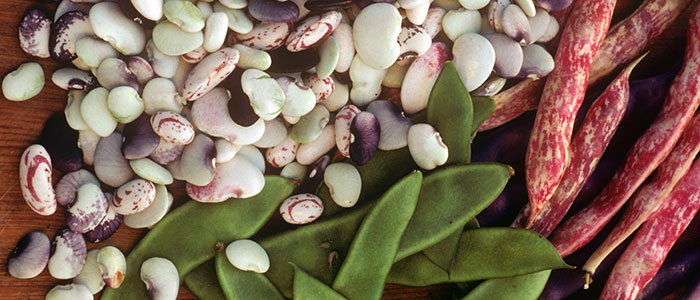
Seed Savers Exchange stewards America’s culturally diverse and endangered garden and food crop legacy for present and future generations. We educate and connect people through collecting, regenerating, and sharing heirloom seeds, plants, and stories.
Seed Savers Exchange has been saving and sharing seeds with gardeners since 1975. Watch the video “An Introduction to Seed Savers Exchange” to learn more.
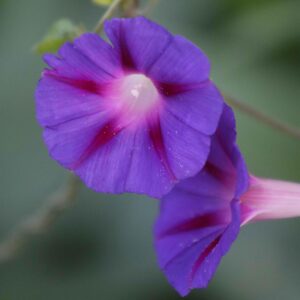
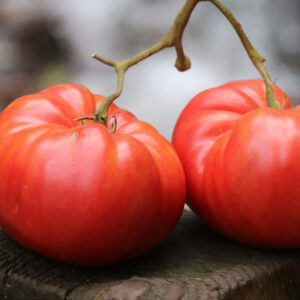
Seed Savers Exchange was founded in Missouri in 1975 by Diane Ott Whealy and Kent Whealy. Diane’s grandfather, Baptist John Ott, entrusted to them the seeds of two heirloom open-pollinated varieties, ‘Grandpa Ott’s’ morning glory and the ‘German Pink’ tomato. These seeds—brought by Grandpa Ott’s parents from Bavaria (Germany) when they immigrated to Iowa in 1884—became the first two varieties in the collection.
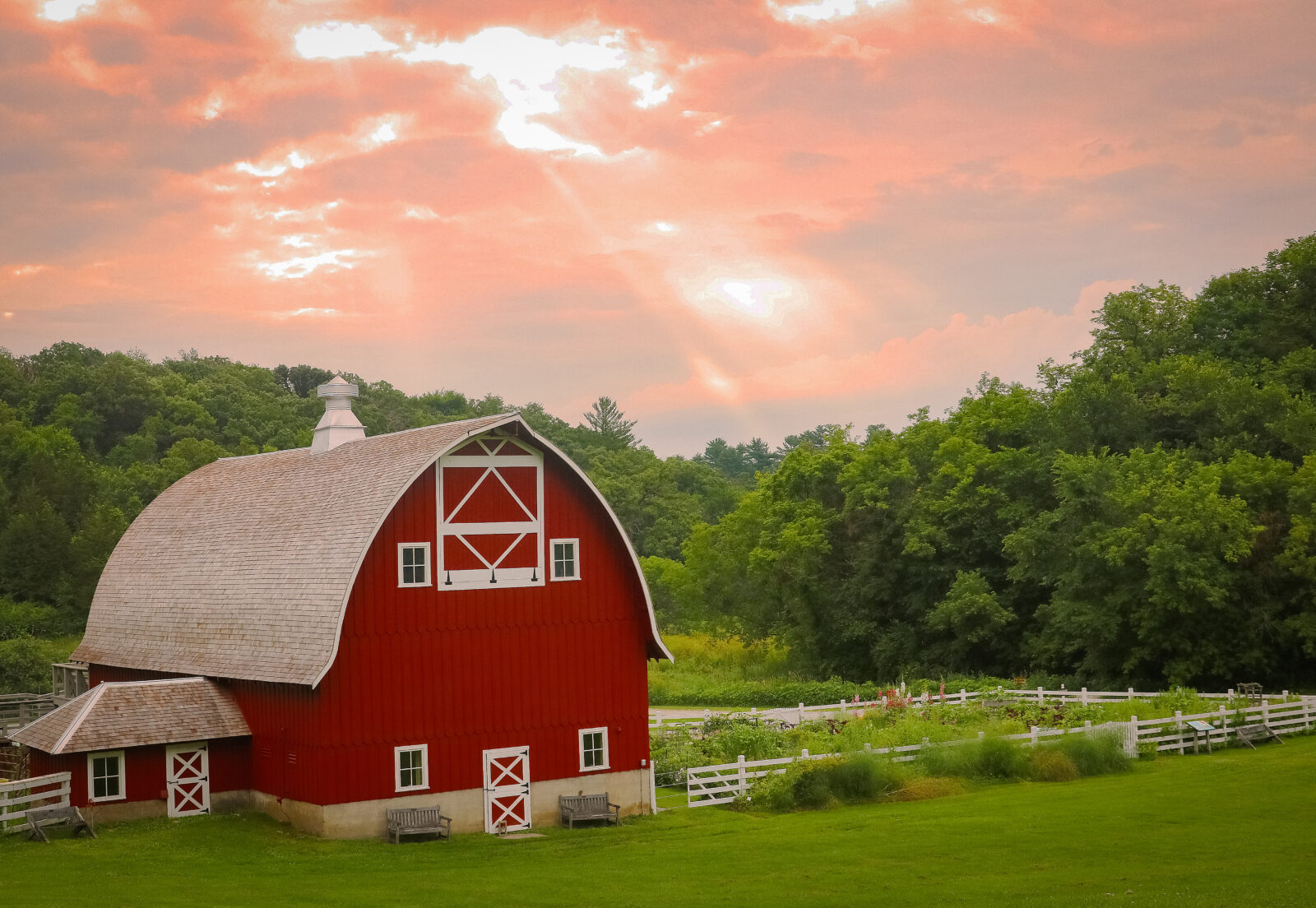
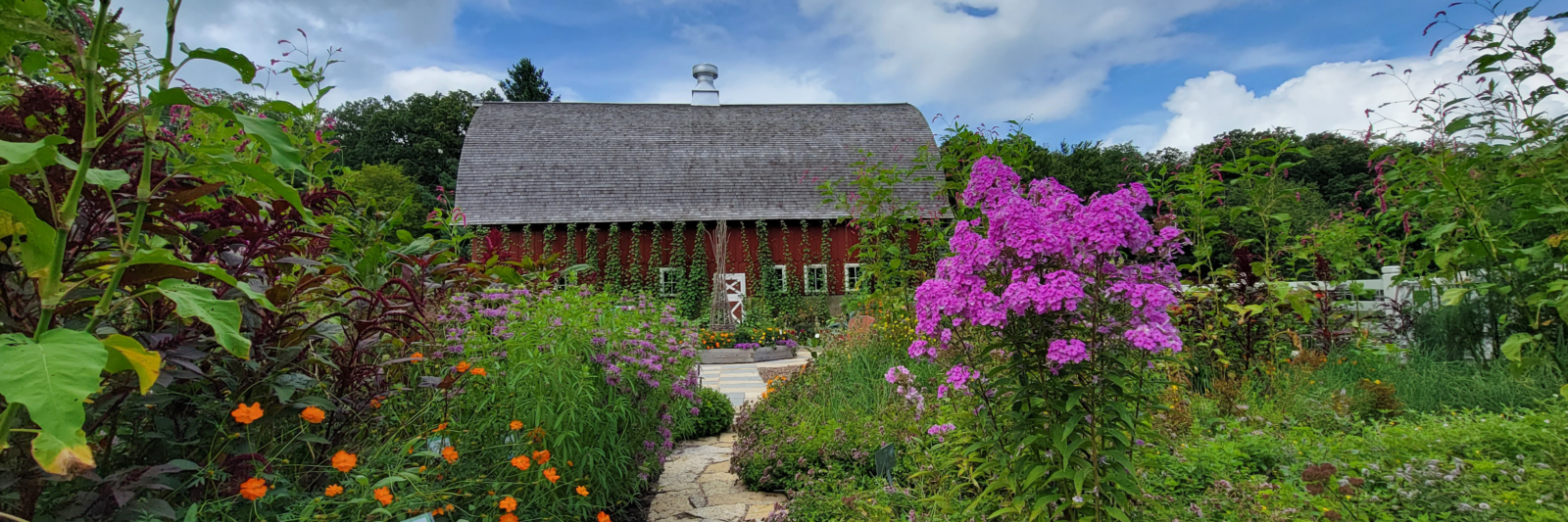
Diane and Kent went on to form a network of gardeners, now called The Exchange, interested in preserving heirloom varieties and bolstering biodiversity. These dedicated gardeners shared their own heirloom seeds and donated seeds to the Seed Savers Exchange collection. The collection grew steadily over several decades, and today SSE houses the nation’s largest nongovernmental seed bank of its kind (some 20,000 varieties) at Heritage Farm, 890 scenic acres in Winneshiek County, Iowa. Here we not only safeguard these varieties for generations to come but also encourage gardeners and farmers worldwide to grow, harvest, and share heirloom seeds as well as recount the inspirational stories behind them. We also educate gardeners on gardening and the time-honored and critical practice of seed saving.
We can only preserve heirloom seeds through active stewardship. If we don’t use them, if we don’t allow them to grow again, they become lost.
co-founder of Seed Savers Exchange
In the last century or so, the world has lost 75 percent of its edible plant varieties. A system that depends heavily on few crops is extremely fragile. When seed diversity is strong, our food system is protected, as this diversity increases the likelihood of having crop varieties that can adapt to different climate conditions and become resistant to certain diseases.
In the United States in particular, genetically engineered plant varieties have had a devastating impact on biodiversity. According to the USDA’s Economic Research Service, use of genetically engineered crops by domestic farmers has increased steadily since these crops were introduced commercially in 1996. In fact, in 2024, 186.3 million acres of genetically engineered crops were planted in the United States. That’s more than half (56.7%) of all American cropland. These patented seeds cannot be saved and planted again in the years that follow.
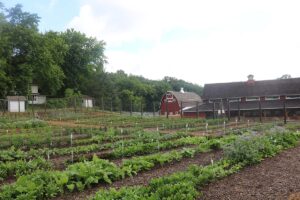 Seed Savers Exchange focuses on stewarding and sharing the large collection of heirloom and open-pollinated varieties the organization has amassed over the years, thanks in large part to that original group of dedicated gardeners. These varieties are truly priceless—some represent a family’s immigration story, while others produce memorable, flavorful food dished up, year after year, at family gatherings. Together the seeds of these varieties compose an irreplaceable genetic resource that contributes to the security of our future food supply.
Seed Savers Exchange uses participatory preservation, a two-pronged approach to seed stewardship. Ex situ preservation involves the long-term care and storage of seeds of heirloom and open-pollinated varieties in our genebank at Heritage Farm, while in situ preservation involves sharing seeds of these varieties with gardeners and farmers who help preserve them by growing them.
Each year, we grow select varieties in gardens at Heritage Farm to keep our seed supply healthy and viable; we then place these newly grown out seeds into our seed bank and into the hands of gardeners around the nation. We also back up our collection at the Svalbard Global Seed Vault in Norway, further ensuring the saving of these varieties so that they do not disappear.
The seed regeneration that takes place at Heritage Farm is important, but it is strengthened by the work of a community of seed savers. When gardeners grow a variety and save its seeds, the variety adapts to the growing conditions of the area. Without individual gardeners growing and saving seeds, we miss our chance to help seeds adapt to changing conditions. You can play an enormous role in preservation by growing out heirloom varieties for seed in your garden.
A network of growers is vitally important to conservation, and that’s why we work hard to get seeds into the hands of as many gardeners as possible.
 Gardeners share homegrown seeds with one another through The Exchange, an online seed swap open to members and nonmembers alike. Participants of all ages around the world share seeds on our site, and Seed Savers Exchange offers many varieties from our own extensive collection kept at Heritage Farm on The Exchange as well.
We also share seeds through our catalog and online shop so that gardeners everywhere may grow and enjoy heirloom and rare varieties, which also serves to fulfill our mission of connecting people to our nation’s food and garden heritage. When combined with memberships and donations, these seed sales help to fund our crucial ongoing preservation work.
Watch the video below to learn how you can join Seed Savers Exchange in participatory conservation of heirloom seeds.
Strategic Plan
Seed Savers Exchange is a nonprofit built on the idea that ordinary people can do extraordinary things when seeds are shared and stories are passed on. This five-year plan builds on that foundation. It outlines four priorities that will guide our efforts.
Visit Heritage Farm
Visitors are invited to traverse wooded bluffs and valley pastures on a network of nearly 10 miles of hiking trails connecting our orchards, cattle pastures, and remote gardens.
Work with Us
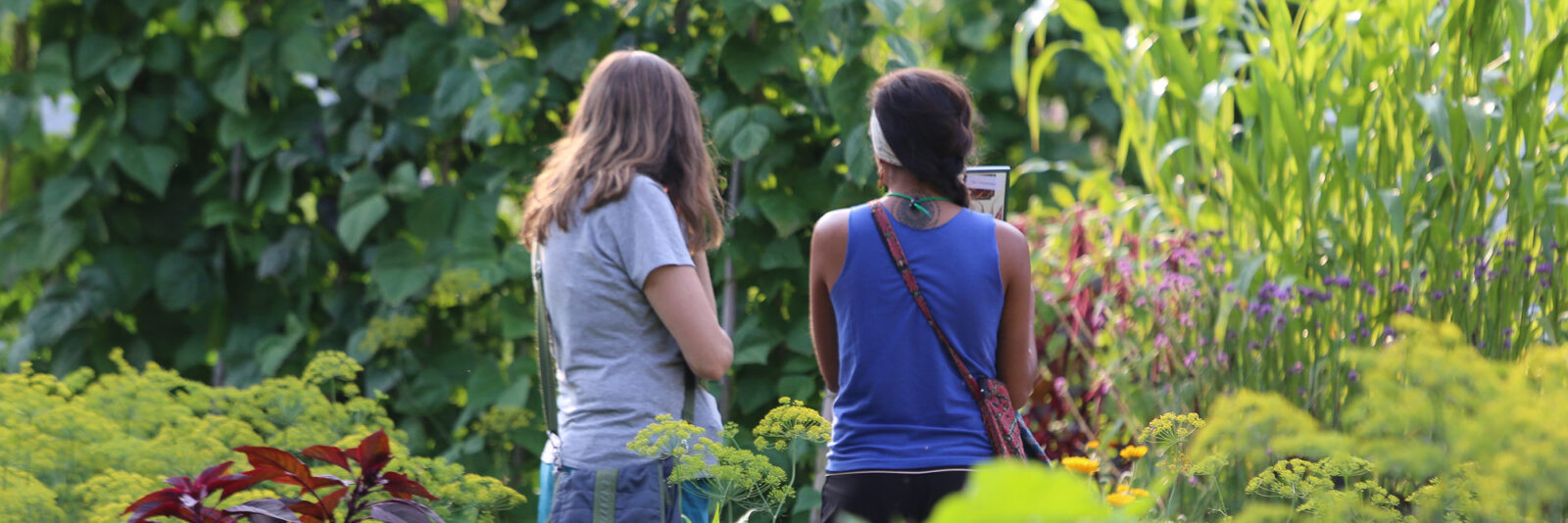
Interested in volunteering with Seed Savers Exchange? Email Volunteer@seedsavers.org to learn more about volunteering on the farm.
Volunteer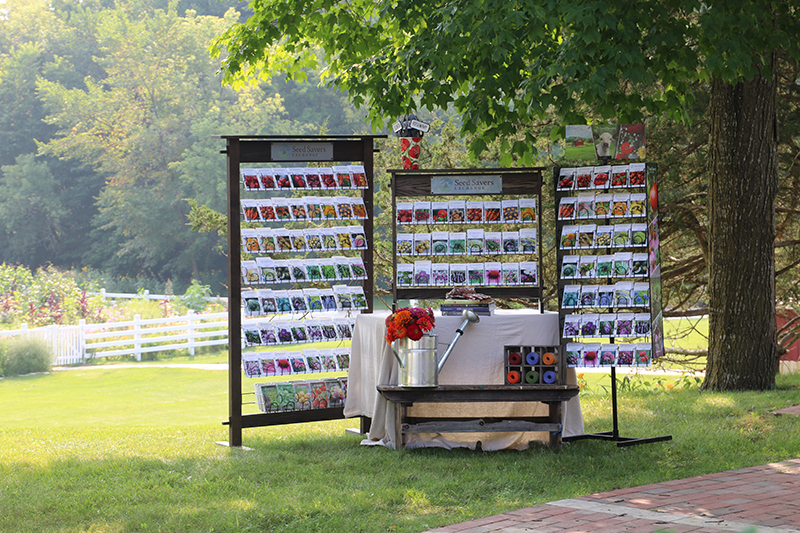
Join the hundreds of garden centers, co-ops, gift stores, and others that have found success with the Seed Savers Exchange Seed Rack Program. If you meet the following qualifications, fill out the form, and let’s get started growing together.
Read MoreLeadership
Seed Savers Exchange's Board of Directors, Directors, and Advisors are committed to saving America's heirloom seeds.
SSE's Leadership TeamSeed Savers Exchange Endowment
To prevent the loss of heirloom garden varieties, an endowment gift to Seed Savers Exchange is an investment in the future of our food system. The Seed Savers Exchange Endowment Fund provides protection for our culturally significant gene bank, expands seed-saving knowledge, and builds equity in access to adaptable, open-pollinated seed.
Financial Information & Impact
Seed Savers Exchange is a certified 501(c)(3) nonprofit organization and contributions are tax-deductible to the full extent of the law.
Read MoreContact Us
We will do our best to respond to you within 72 hours. If your issue is urgent, please call us at (563) 382-5990.
Have questions about membership or a seed order? Want to know more about our work, and how you can be a part of it? Get in touch! Customer Service hours are Monday - Friday, 9:00 AM to 4:00 PM Central.
Customer Service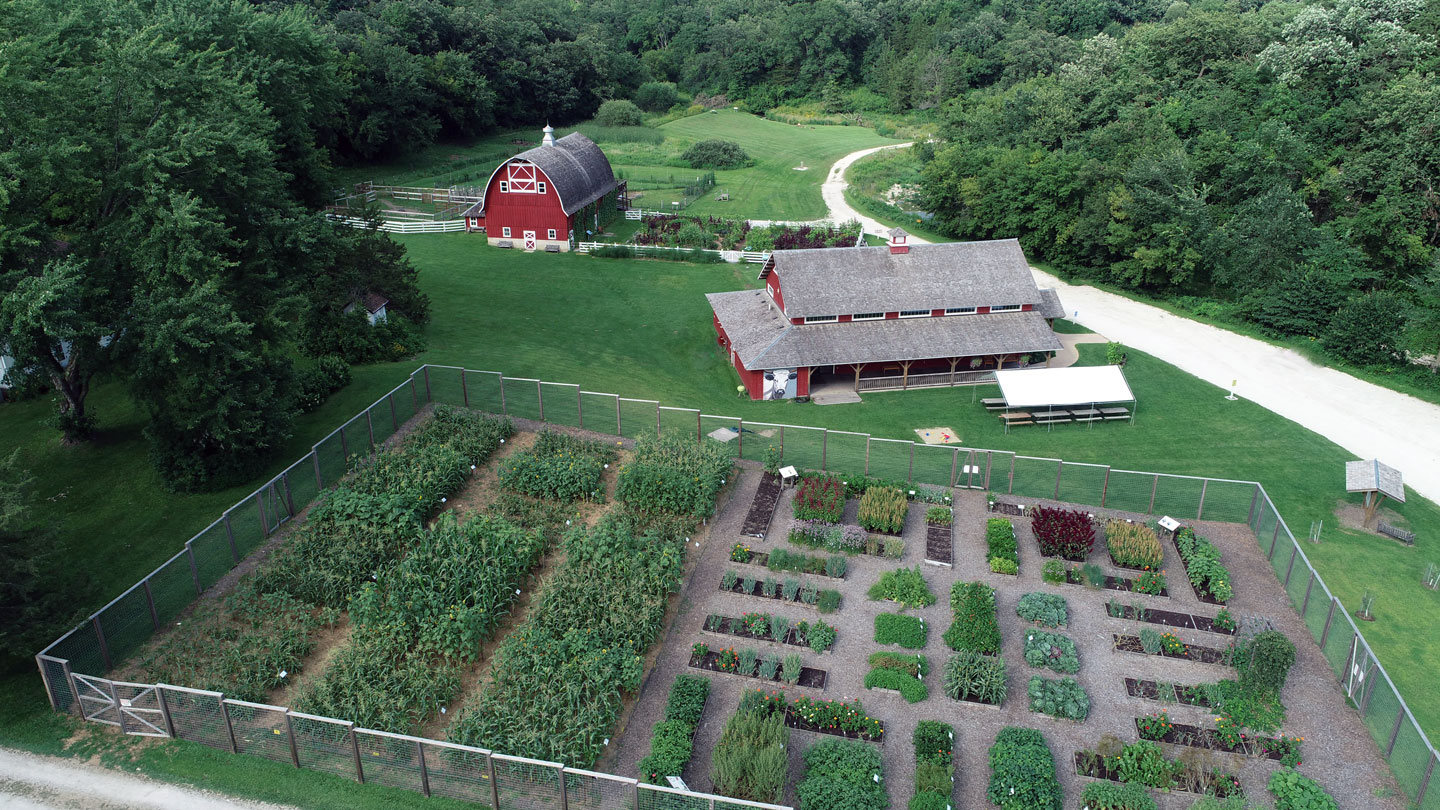
Seed Savers Exchange staff are subject matter experts in a variety of areas including growing for seed saving, biodiversity preservation, seed and land stewardship, and more.
Media Requests
SSE staff are available to present on a variety of topics for both in-person and virtual events. All educational materials on this website, SSE's YouTube channel (@SSEHeritageFarm), and the Community Seed Network website are available for public use with proper citation.
Speaker Requests