Education & Events
Education and seed access are at the heart of Seed Savers Exchange's nonprofit mission.
Education and seed access are at the heart of Seed Savers Exchange's nonprofit mission.
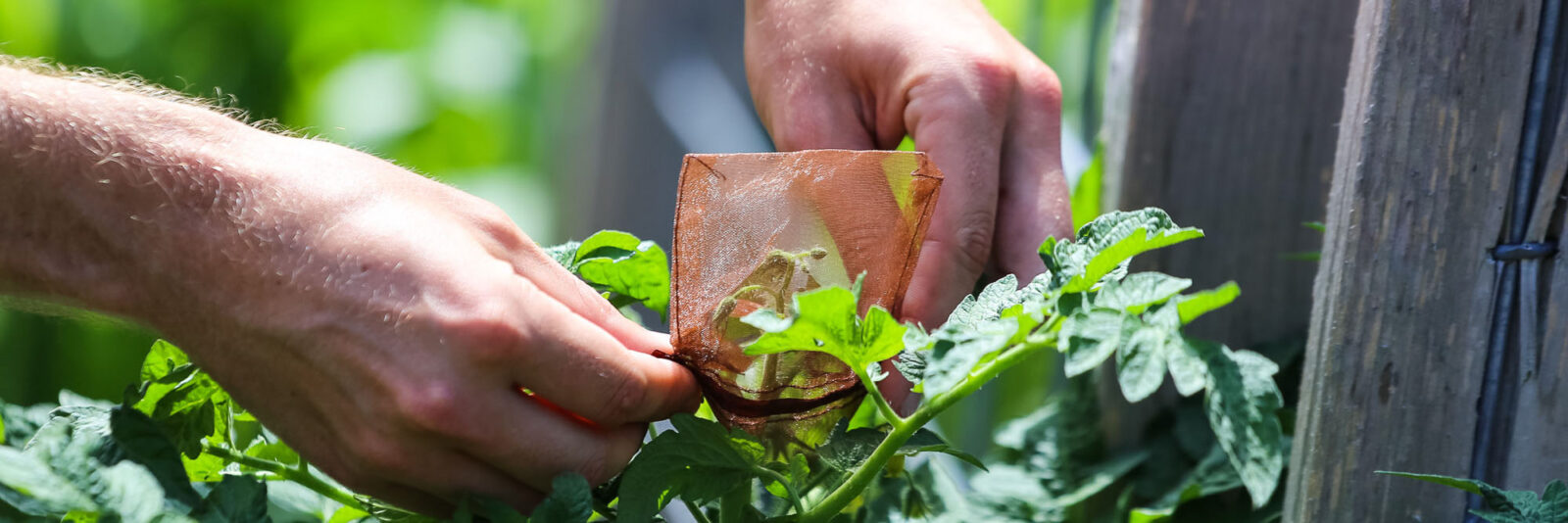
Events
Seed Savers Exchange offers a mix of virtual and in-person events throughout the year. Learn from our knowledgeable staff as well as experienced growers and seed savers in our network, and support our nonprofit mission to save America’s heirloom seeds.

Reach the Seed Savers Exchange community with your business by becoming a sponsor.
Sponsorship
Subscribe to Seed Savers Exchange email newsletters to be one of the first to hear when event details are announced.
Event Alerts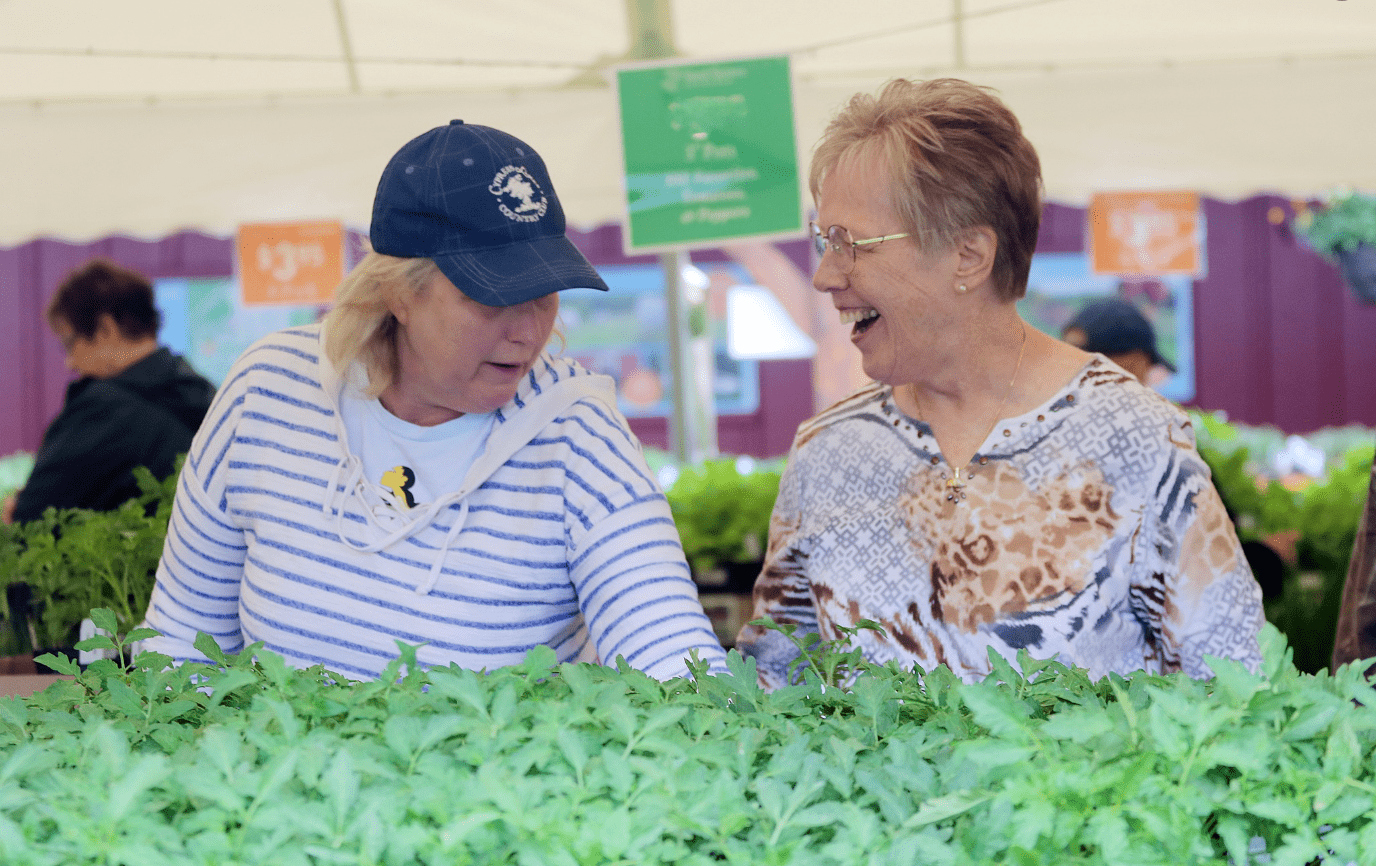
Friday, May 8-Saturday, May 9, 2026 Seed Savers Exchange’s Heirloom Plant Sale returns to the Lillian Goldman Visitors Center at Heritage Farm in Decorah, 10 AM to 5 PM. Select from dozens of heirloom vegetable, herb, flower plant varieties, trees, fruit bushes, and more. Proceeds support Seed Savers Exchange's nonprofit work to save and share open-pollinated seeds.
Read More
Visit Heritage Farm for Seed Savers Exchange's popular tomato tasting event. Sample heirloom tomato varieties, vote for your favorite tomato, attend workshops, and celebrate biodiversity in Seed Savers Exchange’s beautiful display gardens.
Read More
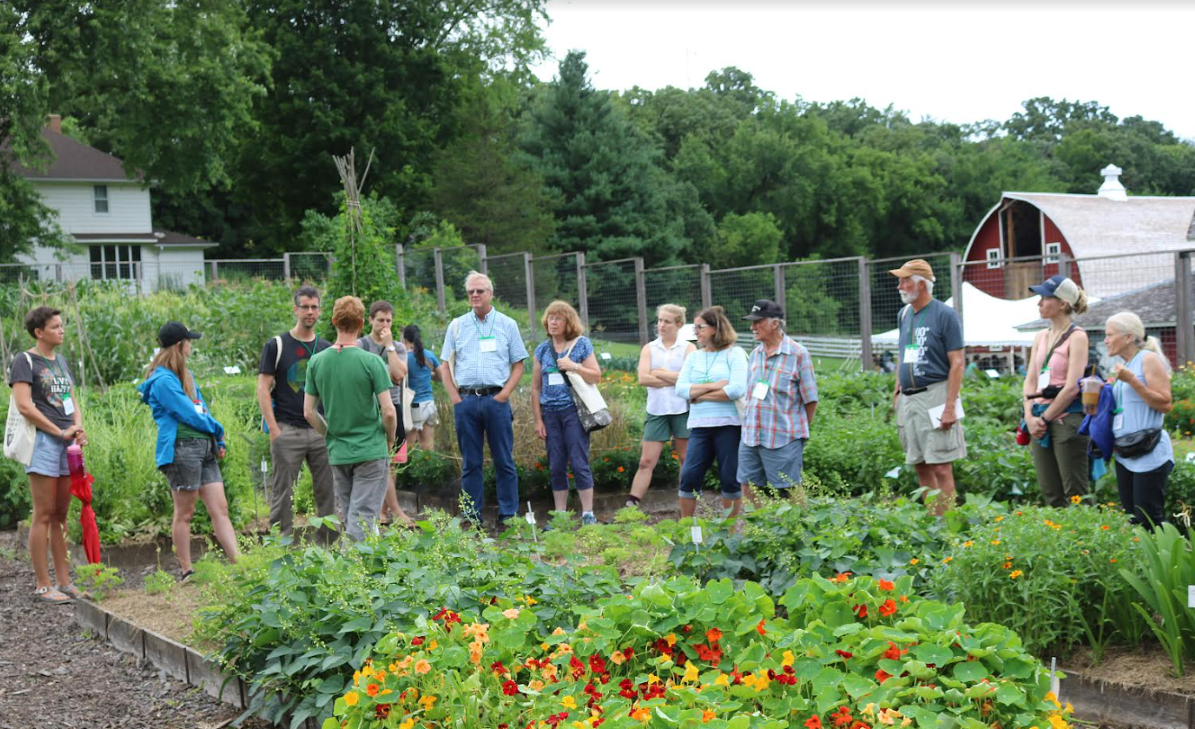
Get a behind-the-scenes look at the work happening on Heritage Farm. From garden tours to tours of the preservation seed lab and the seed-processing shed, this is an opportunity to hear from staff who spend their days tending to the seeds in our care and see the places in which that work takes place.
Read MoreSpeakers Bureau/Guided Tours
Have an event you'd like to invite a SSE staff member to present at? Please complete this event request form. Please note, as a nonprofit, Seed Savers Exchange depends on the financial support from hosting organizations to send our staff on the road. You may also use the Virtual Presentations form to request catalogs or other materials for your event. To request a guided tour of Heritage Farm (available May-September) complete the appropriate form and a staff member will reach out to confirm.
Sowing Connections with Seed Savers Exchange
Seed Savers Exchange presents Sowing Connections, a new podcast exploring the surprising journeys of seeds and the practices and people who care for them. Episodes will highlight conversations with farmers, community organizers, chefs, and everyday enthusiasts who are making a meaningful impact. Together, we’ll dig into traditions, science, and personal stories that help keep our food heritage thriving. Whether you’re a seasoned gardener, seed saver, or simply curious, all are welcome.
Available wherever you get your podcasts, including Spotify, Apple Podcasts, and YouTube.
Seed Access
Seed Savers Exchange is dedicated to preserving and sharing heirloom seeds. The organization started with a small group of people in 1975 and nearly 50 years later SSE has continued to expand how it shares seed.
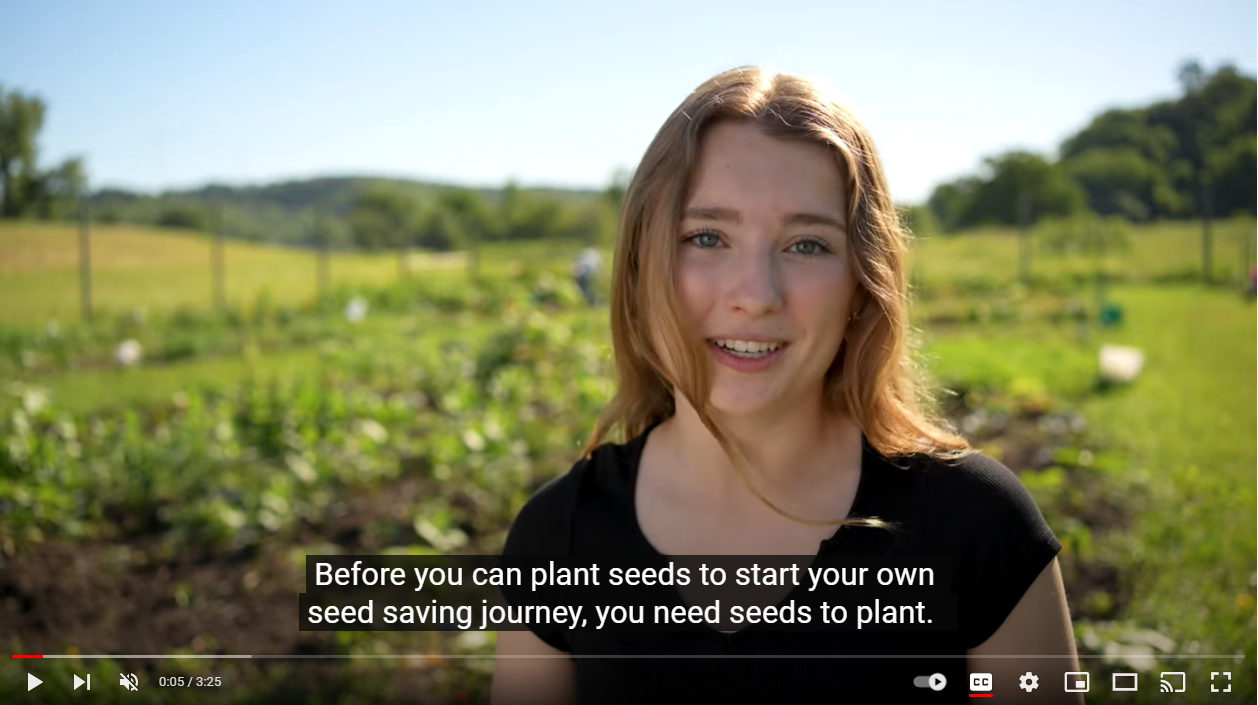
Before you can plant seeds to start your own seed saving journey, you need seeds to plant. So where do you get them? Sometimes it can be as simple as knocking on your neighbor's door. Watch this video to learn about and explore a number of seed sources, including seed exchanges, seed donation programs, seed catalogs, and more.
Watch Now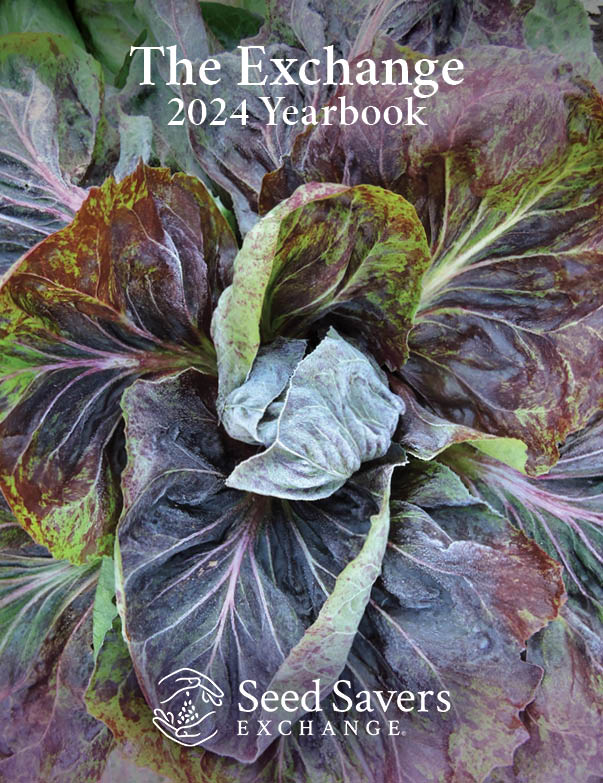
Seed Savers Exchange facilitates The Exchange, the largest online community of gardeners and seed stewards, sharing and swapping rare and "homegrown" seeds you might not find anywhere else. Anyone can browse the Exchange, but you must have an account on the Exchange to request or list seeds.
Explore The ExchangeRecipes
Article Library
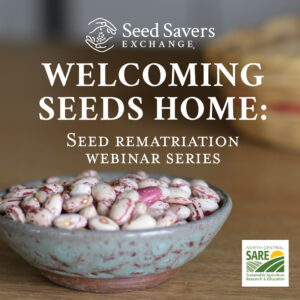
ABOUT THE SERIES: This series highlights seed rematriation efforts funded through a North Central SARE Partnership grant awarded to Seed Savers Exchange. Join us to learn how Indigenous farmers, activists, communities, and nations are welcoming seeds home to grow and share.
Watch the session recordings on SSE’s YouTube channel @SSEHeritageFarm.
Sessions include
The financial support of Herman Warsh and Maryanne Mott helped establish Heritage Farm, our headquarters in Decorah, Iowa. To honor their generosity, Seed Savers Exchange donates seeds to nonprofit, educational, and community organizations and gardens in need through the Herman’s Garden Seed Donation Program.
We are currently revamping the program and are not accepting applications at this time. Please check back in November for information about the updated program and application process.
Due to customs restrictions and shipping costs, the program is available only to organizations within the United States. We cannot accept requests from individuals or from projects where seeds or resulting produce will be sold.